When water damage strikes your home, every minute counts. Whether it’s a burst pipe, a flooded basement, or a roof leak after a storm, the actions you take in the first few hours can mean the difference between a manageable repair and a costly, large-scale restoration. At Idaho Disaster Pros, we’ve helped homeowners across Idaho navigate water damage emergencies with fast, professional water damage cleanup and restoration services, and we’re here 24/7 when disaster hits.
The Major Steps to Fixing Water Damage
Follow these steps the moment you discover water damage in your home:
- Ensure Safety First: Turn off electricity to the affected area before entering. Water and live electrical currents are a deadly combination. If you smell gas or see structural sagging, leave the property immediately and call emergency services.
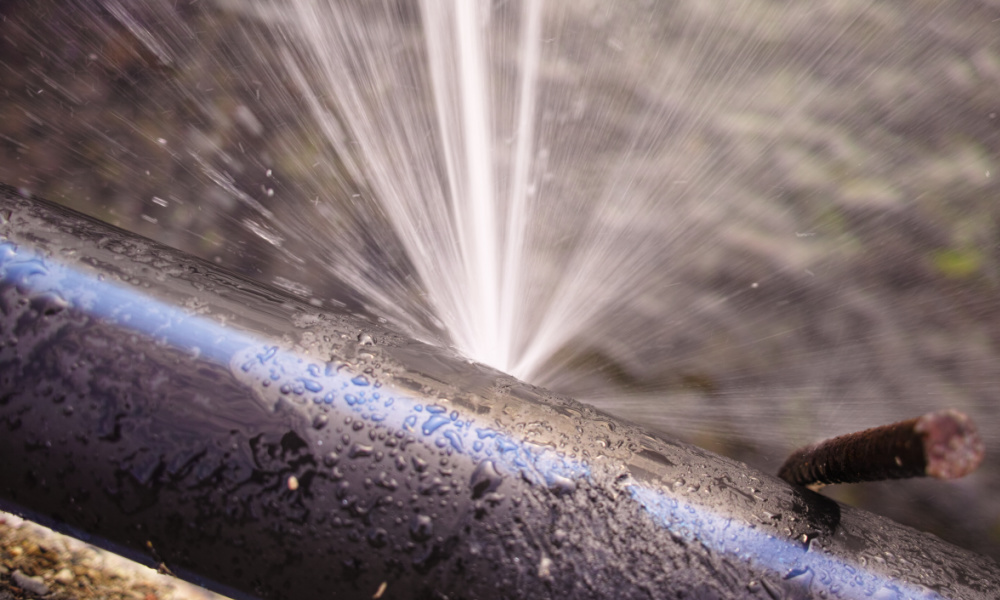
- Stop the Water Source: Shut off the main water supply if a burst pipe or appliance is responsible. For roof leaks, use buckets or tarps to contain the spread until repairs can be made. The faster the source is stopped, the less secondary damage occurs.
- Document Everything Before You Touch It: Take photos and video of all affected areas, including damaged walls, flooring, furniture, and belongings. This documentation is critical for your water damage insurance claim and will help speed up the process with your provider.
- Contact Your Insurance Provider: Notify your insurer as soon as possible. Review your policy for water damage coverage and ask about timelines. As the homeowner, you have the right to choose your own water damage restoration service, you are not obligated to use whoever your insurer recommends.
- Remove Standing Water: For minor flooding, use mops, towels, or a wet/dry vacuum. For significant water intrusion, professional-grade extraction equipment is needed to remove water quickly and thoroughly, especially from subfloor areas and wall cavities.
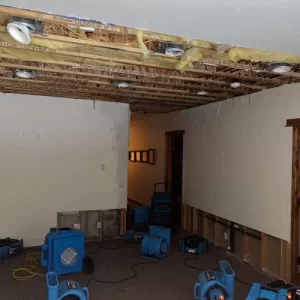
- Dry and Dehumidify the Area: Open windows and doors to increase airflow. Run fans and dehumidifiers to accelerate drying. Industrial drying equipment used by restoration professionals reaches areas that household fans simply cannot.
- Check for Signs of Water Damage in Hidden Areas: Water travels. Check inside walls, under flooring, inside cabinets, and in crawl spaces for moisture. Common signs of water damage include discoloration, bubbling paint, soft drywall, musty odors, and warped wood.
- Prevent Mold Growth Immediately: Mold can begin growing within 24–48 hours of water exposure. Remove wet materials such as rugs, furniture, and cardboard boxes from the area. Antimicrobial treatments applied by professionals help stop mold before it takes hold.
- Clean and Sanitise Affected Surfaces: Floodwater and sewage backups can carry harmful bacteria and contaminants. All affected surfaces must be thoroughly cleaned and disinfected with industry-approved solutions, not just dried out.
- Begin Repairs and Restoration: Once the area is fully dried and sanitized, water damage repair can begin. This typically involves replacing damaged drywall, flooring, insulation, and repairing the root cause (plumbing, roofing, drainage) to prevent recurrence.
How Much Does Water Damage Restoration Cost?
Water damage restoration cost varies widely depending on the size of the affected area, the category of water (clean, grey, or black water), and how quickly the damage is addressed. Minor incidents may cost a few hundred dollars, while significant flooding involving structural repairs can run into the thousands. Acting fast is the single most effective way to keep costs down, the longer water sits, the more it spreads and the more expensive the fix becomes. Idaho Disaster Pros offers free inspections and upfront quotes so you always know what to expect.
What Happens If Water Damage in Your Home Is Left Untreated?
Delaying water damage cleanup, even by a few hours, can rapidly escalate the extent of damage to your property:
- Carpet and padding begin to break down, loosen, and decay.
- Wood floors and structural framing absorb moisture, causing warping and buckling.
- Drywall turns brittle, crumbles, and becomes a breeding ground for mold.
- Mold growth can begin within 24–48 hours, spreading to unaffected areas.
- Structural integrity of the home can be compromised over time.
What starts as a water damage repair job can quickly become a full mold remediation project if not addressed promptly.
Water Damage Restoration Services by Idaho Disaster Pros
When it comes to water damage restoration in Idaho, Idaho Disaster Pros is a name homeowners and businesses trust. With 24/7 emergency availability, a team of certified restoration professionals, and top ratings on Google, Angi, and the Better Business Bureau, they’re built for exactly these situations.
Idaho Disaster Pros provides comprehensive water damage cleanup services including:
- Water extraction: Fast removal of standing water using professional-grade equipment.
- Structural drying: Industrial air movers and dehumidifiers to thoroughly dry walls, floors, and cavities.
- Mold prevention and remediation: Antimicrobial treatments and mold inspections built into every restoration job.
- Cleaning and sanitisation: Full disinfection of all affected surfaces, critical for grey and black water events.
- Full property restoration: Repair of damaged drywall, flooring, insulation, and structural elements.
They serve homeowners and businesses across Idaho, with rapid response times across the region. Whether it’s a burst pipe in Boise or storm flooding in Twin Falls, the team is equipped to respond fast and restore your property to its original condition.
Conclusion
Water damage moves fast, and so should you. The steps above can help you limit the damage, protect your insurance claim, and keep your family safe while you wait for professional help to arrive. When you need a trusted water damage restoration service in Idaho, Idaho Disaster Pros is ready around the clock. Don’t wait for the damage to get worse!
Request a Free Quote Today
Frequently Asked Questions
1: What should I do immediately after discovering water damage?
Prioritize safety first, shut off electricity to the affected area, stop the water source, and document the damage with photos before touching anything. Then contact your insurance provider and call a professional water damage restoration service as soon as possible.
2: How quickly does mold grow after water damage?
Mold can begin to grow within 24–48 hours of water exposure, especially in warm, humid conditions. This is why prompt water damage cleanup and professional drying is critical, not just removing visible water.
3: Does homeowners insurance cover water damage restoration?
Most homeowners insurance policies cover sudden and accidental water damage, such as burst pipes or appliance failures. Flood damage from external sources typically requires a separate flood insurance policy. Always document thoroughly before cleanup begins to support your claim.
4: Can I fix water damage myself?
Minor surface water damage, such as a small spill on a hard floor, can sometimes be handled with household equipment. However, any water intrusion that has reached walls, subfloors, insulation, or structural elements requires professional water damage repair to ensure proper drying, prevent hidden mold, and restore structural integrity.
5: How long does water damage restoration take?
The timeline depends on the extent of damage. Water extraction can often be completed within hours, but thorough structural drying typically takes 3–5 days using industrial equipment. Full repairs and restoration may take longer depending on the scope of damage.
6: How do I know if there is water damage inside my walls?
Common signs of water damage inside walls include discolouration or staining, bubbling or peeling paint, a musty smell, soft or spongy drywall, and visible mold. A professional restoration team can use moisture meters and thermal imaging to detect hidden moisture.