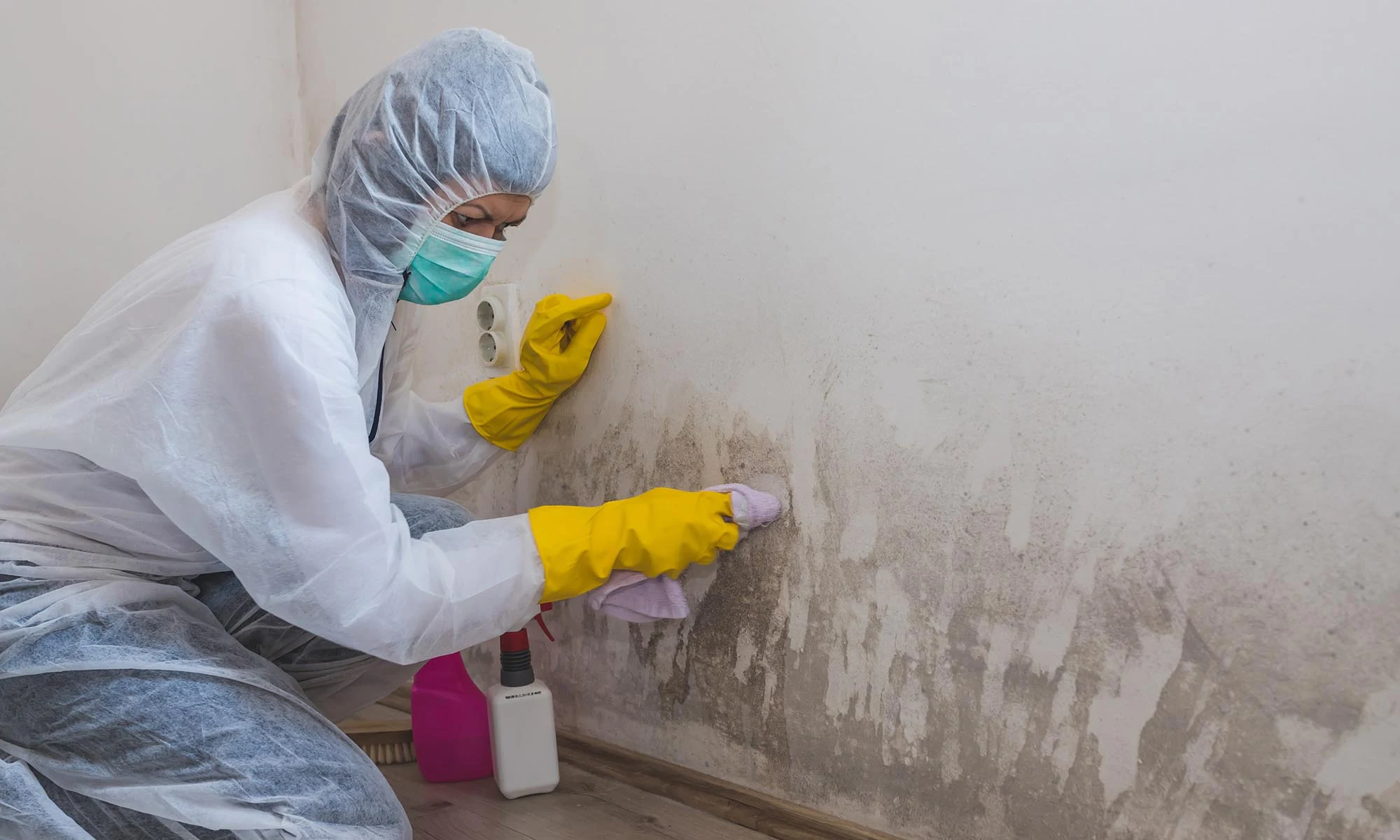

Mold on air vents is not something you want to keep around. Exposure to it can trigger health issues, especially for sensitive household members.
A moldy HVAC system can circulate contaminated air, making respiratory problems like asthma worse. It’s crucial to identify and eliminate mold growth to maintain a healthy indoor environment.
Understanding the signs of mold in your HVAC system is vital to preventing its spread and minimizing health risks.
Key Takeaways
- Exposure to mold can trigger health issues, especially for sensitive individuals.
- Mold growth in HVAC systems can circulate contaminated air, exacerbating respiratory problems.
- Identifying and eliminating mold growth is crucial for maintaining a healthy indoor environment.
- Regular inspection of HVAC systems can help detect mold early.
- Prompt action is necessary to prevent the spread of mold and minimize health risks.
Understanding HVAC Mold Problems
Mold in HVAC ducts comes from these factors. The humid summers and cold winters cause condensation. This creates a moist spot where mold can grow. Building design, including orientation and insulation, also affects mold growth.
Factors Contributing to HVAC Mold Growth
- Climate: Temperature and humidity changes cause condensation, which leads to mold.
- Building Design: Poor insulation and ventilation, along with building orientation, can foster mold growth.
- Property Age: Older buildings might have outdated HVAC systems or changes that affect airflow and moisture.
- Local Geography: Areas near water or with high water tables have higher humidity, leading to mold.
Knowing these factors helps spot mold in HVAC systems. Recognizing signs like musty smells or visible mold is key. This way, property owners can act quickly to prevent bigger problems.
How to Tell if Your HVAC System Has Mold?
It’s important to check your HVAC system for mold to keep the air inside your home clean. Mold in HVAC systems can cause health problems and make your system less efficient.
Checking for Mold Around Vents and Returns
Looking for mold around vents and returns is a key step. Check for dark spots or patches on vents or near ductwork. Also, watch for water stains near vents or ductwork joints, as they can lead to mold.
Here’s how to inspect for mold:
- Turn off the HVAC system to prevent mold spores from spreading.
- Look for mold or water damage around vents and returns.
- Check for musty smells, which can indicate mold.
- If you think there’s mold, get a professional to test and fix it.
Mold in air conditioning units is especially bad because it can spread mold spores through the ductwork. Regular maintenance, like cleaning and inspecting, is key to stopping mold.
By checking your HVAC system often for mold, you can keep your home healthy and your heating and cooling system working well.
Addressing and Preventing HVAC Mold Issues
Mold in ventilation systems is a big problem. But, there are good ways to fix and stop it. The first thing is to find and get rid of the mold source.
To remove mold from your HVAC system, you should:
- Find the mold source, which might be moisture or poor upkeep.
- Get a pro to test for mold if you’re not sure what to do.
- Call local mold removal services if the problem is big.
Preventative Measures for HVAC Mold
Stopping mold in HVAC systems is key for clean air and system work. Here are some ways to prevent it:
- Regularly clean drip pans and check for blockages or leaks.
- Look for moisture or water damage signs in the system.
- Think about getting a dehumidifier, especially in wet places, to cut down air moisture.
- Make sure your HVAC system gets regular upkeep, like changing filters.
By doing these things, you can lower mold risk in your HVAC system a lot. Keeping your system in good shape not only stops mold but also makes it work better and last longer.
If you have mold in your ventilation system, know that help is out there. HVAC mold removal services have the skills to safely and well remove mold and stop it from coming back.
Conclusion
Finding mold in HVAC systems is key to keeping air clean indoors. Mold can grow due to moisture and poor maintenance.
To keep your HVAC mold-free, act early. Regular checks and upkeep can spot problems early. If you think there’s mold, get experts to check and fix it.
Mold shouldn’t ruin your air quality. Experts can find and fix mold, making your HVAC safe and efficient. Quick action helps avoid health issues and keeps your home healthy.
Recover Strong with Idaho Disaster Pros
When disaster strikes in Idaho, trust Idaho Disaster Pros for fast, reliable restoration—specializing in water, fire, mold, and storm damage. Available 24/7 with expert care, compassionate service, and free damage inspections. Contact us today!