A house fire can change everything in a matter of minutes. Once the flames are out, homeowners are often left wondering what comes next and, more importantly, how long it will take to get back to normal. Fire damage restoration is a detailed, multi-step process that addresses not just burned materials but also smoke, soot, water damage from firefighting efforts, and lingering odors. The total timeline depends on the size of the fire, the extent of the damage, and the types of materials affected.
At Idaho Disaster Pros, our team of licensed and insured experts is available 24/7 to respond immediately after a fire and guide you through every step of the fire damage restoration process. As a locally owned and operated company serving Southeast Idaho and the surrounding areas, we are committed to restoring your property to its original state while supporting you through this difficult time. Call us today for an inspection at no cost!
The Steps to Fire Damage Restoration of Your Home
Fire damage goes far beyond what flames directly touch. Understanding the types of damage involved and the steps professionals follow helps set realistic expectations for the work ahead.
Types of Fire Damage
Before restoration can begin, professionals assess every form of damage the fire has left behind. A home fire typically produces several distinct types of damage that each require their own approach:
- Structural damage: Heat weakens a building’s frame, including wooden beams, walls, and foundations in ways that are not always visible from the surface.
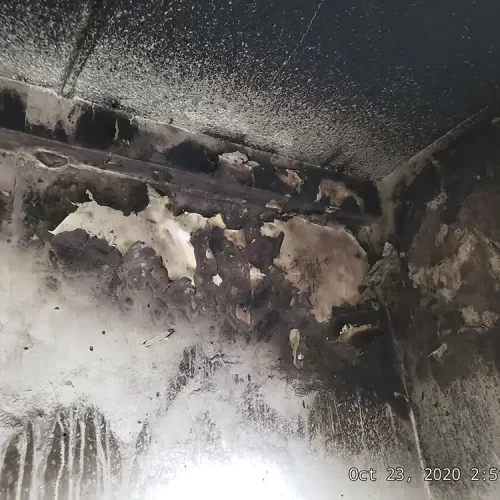
- Smoke damage: Smoke travels throughout the home, reaching rooms where no fire occurred, and leaves residue on walls, ceilings, and belongings.
- Soot damage: Soot is acidic and adheres to nearly every surface. Different fires produce different types of soot, including dry soot from burning wood and organic materials, wet soot from synthetic materials and plastics, and protein-based soot from fires involving food or carpet.
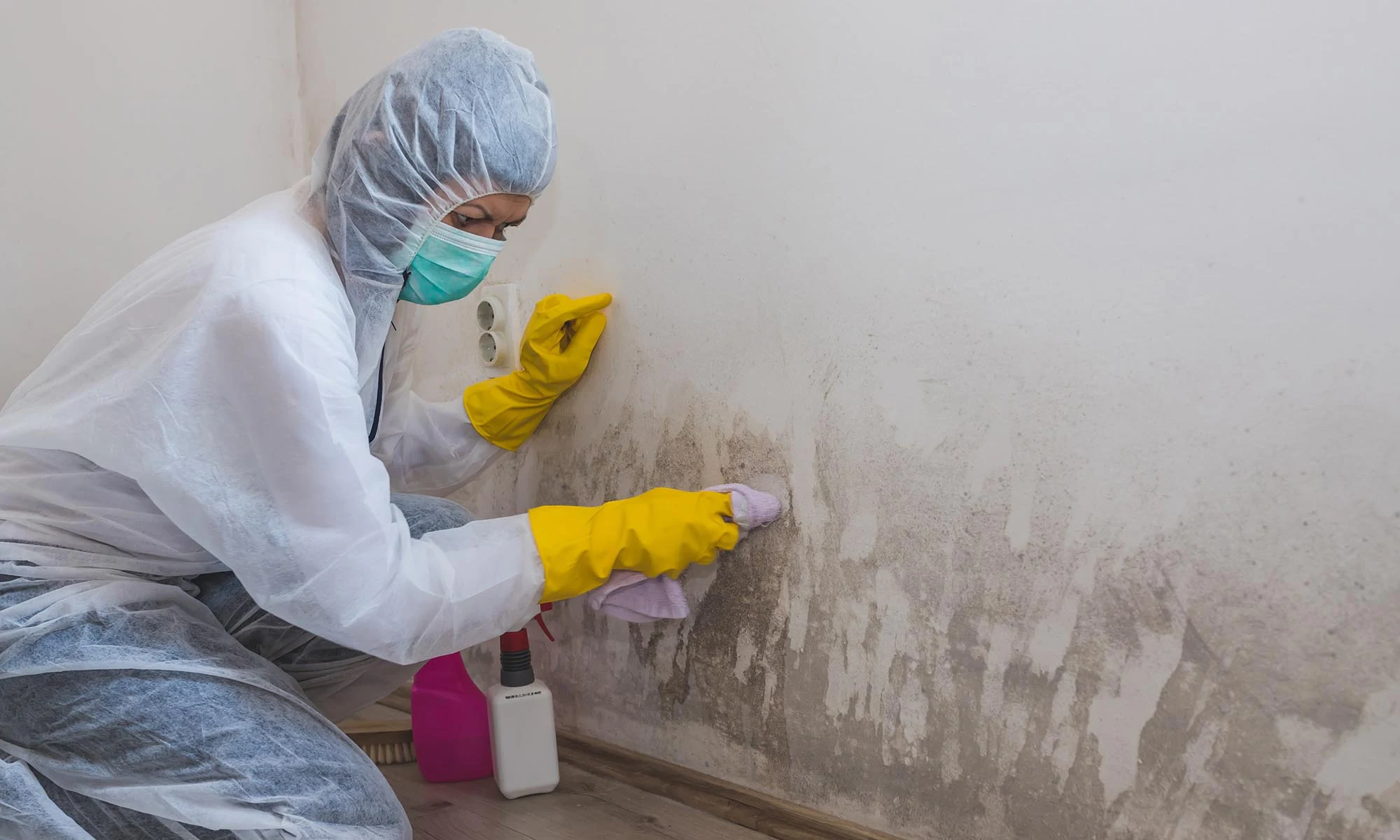
- Water damage: The water used to extinguish a fire soaks into walls, floors, and structural materials. Without quick action, mold can begin to grow within 24 to 48 hours.
The Fire Damage Restoration Steps
While every fire is different, professional fire damage restoration companies follow a proven sequence of steps to bring a property back to its pre-fire condition safely and completely.
1. Emergency Assessment
As soon as the fire department clears the property as safe to enter, a restoration team arrives to evaluate the full scope of damage. Certified professionals inspect structural elements, identify any disturbed hazardous materials, document all damage for the insurance claim, and determine which items are salvageable. This assessment forms the foundation of the entire restoration plan.
- Contact your restoration company and insurance provider as soon as the property is cleared.
- Professional documentation at this stage supports a thorough insurance claim.
2. Securing the Property
If the fire has broken windows, damaged doors, or created openings in the roof, these are boarded up and covered with tarps immediately. This protects the structure from additional weather damage and keeps the property secure while restoration work is planned.
- Emergency board-up and tarping prevent rain, animals, and unauthorized access from causing additional damage.
- Perimeter security measures may also be put in place for severely damaged structures.
3. Water Removal and Structural Drying
Firefighting efforts leave behind significant amounts of standing water. Restoration crews deploy industrial pumps, air movers, and commercial dehumidifiers to extract water and thoroughly dry structural materials. Moisture levels are monitored daily until the structure reaches acceptable readings, preventing mold growth and long-term decay.
- Mold can begin growing within 24 to 48 hours of water exposure, making fast drying a priority.
- HVAC systems are inspected and cleaned at this stage, since water from fire hoses can flood heating and cooling equipment.
4. Debris Removal and Cleanup
Burned furniture, charred building materials, and anything that cannot be saved is carefully removed. Restoration specialists know how to safely handle and dispose of materials that may have become toxic when burned. Salvageable belongings are inventoried and set aside for professional cleaning.
- Detailed inventories of damaged and salvageable items support the insurance claims process.
- Clearing debris also removes ongoing sources of smoke odor from the property.
5. Smoke and Soot Removal
Smoke and soot removal is often more extensive than the fire damage itself. Professionals clean from the top down, starting with ceilings and working to floors, to prevent dislodged soot from re-contaminating cleaned surfaces. Specialized techniques are used depending on the type of soot present.
- HEPA vacuuming captures fine soot particles without spreading them into the air.
- Dry soot sponges lift powdery residue without smearing it deeper into porous surfaces.
- Chemical cleaning agents are selected based on the surface type, from painted drywall to wood, concrete, and fabric.
- HVAC systems and ductwork are fully decontaminated to prevent smoke from recirculating through the home.
6. Odor Neutralization
Eliminating smoke odor is a distinct step from removing visible soot. Smoke penetrates deep into porous materials like wood, drywall, and fabrics, and surface cleaning alone does not remove it. Professional odor neutralization uses specialized technology to eliminate smoke odors at the source.
- Thermal fogging vaporizes a deodorizing agent that penetrates porous surfaces and neutralizes odor molecules.
- Hydroxyl generators produce radicals that break down odor-causing compounds at the molecular level and are safe for use while people remain in the building.
- Ozone treatment is highly effective for severe odors but requires the space to be fully vacated during treatment.
7. Structural Repairs and Restoration
Once cleaning, drying, and deodorization are complete, the rebuilding phase begins. The scope of work ranges from minor repairs to major reconstruction, depending on the extent of the damage.
- Replacement of fire-damaged drywall, insulation, flooring, and structural framing.
- Repair of electrical systems, plumbing, and HVAC components damaged by heat or firefighting water.
- Refinishing and repainting of smoke-stained surfaces that were cleaned but not replaced.
- Rebuilding of cabinets, trim, and other architectural elements throughout the home.
8. Final Inspection and Clearance
A final walkthrough confirms that all documented damage has been addressed, air quality is within safe limits, moisture readings are normal, and all home systems are fully operational. A completion report documents all work performed, providing a record for the homeowner and the insurance company.
- Visual inspection of all restored areas against the original damage documentation.
- Air quality testing to confirm smoke particle levels are within safe limits.
- Systems testing of HVAC, electrical, and plumbing to confirm operational safety.
How Long Does the Full Process Take?
The total timeline for fire and smoke damage repair depends on the severity of the damage:
- Minor fire damage (single room, contained smoke): typically 1 to 2 weeks.
- Moderate fire damage (smoke spread throughout the home, limited structural damage): typically 3 to 6 weeks.
- Severe fire damage (significant structural involvement requiring major reconstruction): typically 2 to 6 months.
Every day without professional intervention allows secondary damage to compound. Soot begins corroding metal fixtures within hours. Mold growth can begin within 48 hours. Acting quickly limits further damage and reduces overall restoration costs.
Home Restoration Services by Idaho Disaster Pros
Idaho Disaster Pros is a full-service disaster cleanup company specializing in fire and smoke damage cleanup across Southeast Idaho and the surrounding region. As a locally owned and operated business, we bring a personal commitment to every job alongside professional-grade equipment and licensed, insured technicians.
Our fire damage restoration services include:
- Smoke and soot removal from all surfaces throughout the home or business.
- Protection and cleaning of clothing, furniture, and personal belongings.
- Air filtration and professional odor elimination.
- Water extraction and structural drying to prevent mold.
- Insurance claims assistance throughout the process.
Beyond fire and smoke damage cleanup, we also provide water damage cleanup, mold remediation, asbestos testing and abatement, and trauma and biohazard cleanup services.
Idaho Disaster Pros serves homeowners and businesses throughout Southeast Idaho and beyond, including:
- Idaho Falls
- Blackfoot
- Rexburg
- Pocatello
- Arco
- Island Park and Yellowstone
- Driggs and Victor (including Tetonia) in Teton Valley
- Jackson, WY
- Alpine and Alpine Star Valley, WY
With excellent ratings across multiple online platforms and fast, reliable response times, Idaho Disaster Pros is the trusted choice for fire damage restoration service in the region. We offer 24/7 emergency services and cost-free damage inspections. Call us now at (208) 251-4382 or visit us at idahodisasterpros.com/fire-smoke-damage-cleanup/ to learn more.
Final Thoughts
Fire damage restoration is a detailed, multi-step process that requires professional expertise, the right equipment, and a methodical approach. From the emergency assessment and property securing to smoke removal, structural repairs, and final inspection, every step plays an important role in returning your home to a safe and livable condition. Minor fires may be resolved in a matter of weeks, while more extensive damage can take several months to fully restore.
Idaho Disaster Pros is here to help you through every stage of recovery. As a locally owned and operated, licensed and insured company with 24/7 emergency availability, we respond quickly to minimize further damage and restore your home as thoroughly as possible. Do not wait to get the help you need.
Request a Quote today or call (208) 251-4382.
Frequently Asked Questions
1: How long does fire damage restoration take?
The timeline depends on the severity of the damage. Minor fire damage in a single room with contained smoke typically takes 1 to 2 weeks. Moderate damage involving smoke spread throughout the home generally takes 3 to 6 weeks. Severe fires that require significant structural repairs or major reconstruction can take 2 to 6 months to complete. Acting quickly by calling a professional restoration company as soon as possible is the most effective way to shorten the overall timeline.
2: Can I stay in my home during fire damage restoration?
Whether you can remain in your home depends on the extent of the damage and the current air quality. Smoke and soot left in the air contain harmful particles that pose health risks. Professional restoration teams assess whether the property is safe for occupancy and advise homeowners accordingly. For moderate to severe fires, temporary housing is often necessary until the cleanup and initial repairs are complete.
3: Will my homeowner’s insurance cover fire damage restoration?
Most standard homeowner’s insurance policies cover fire damage restoration, including cleanup, structural repairs, and content restoration. Thorough documentation is a key part of the claims process. Idaho Disaster Pros provides insurance claims assistance to help homeowners navigate the process and ensure all necessary restoration work is properly documented and covered.
4: What is the difference between fire damage repair and fire damage restoration?
Fire damage repair typically refers to fixing specific physical damage, such as replacing burned drywall or repairing a damaged roof section. Fire damage restoration is a broader process that covers all damage caused by a fire event, including smoke and soot cleanup, water removal, odor elimination, contents restoration, and full structural rebuilding. Restoration returns the property entirely to its pre-fire condition.