A sewer backup is one of the most stressful and hazardous situations a property owner can face. Beyond the unpleasant odors and visible mess, sewage contains harmful bacteria, viruses, and contaminants that can pose serious health risks if not handled properly. Understanding what to do immediately after a sewer backup, and knowing when to stop and call professionals, can help protect your health, prevent further damage, and reduce long-term restoration costs.
This guide walks through safe cleanup steps, common mistakes to avoid, and why professional sewer cleanup is often the safest solution.
What Causes a Sewer Backup?
Sewer backups occur when wastewater cannot flow through the sewer system and instead reverses direction into a home or building. Common causes include:
- Blocked sewer lines from grease, wipes, or debris.
- Tree root intrusion into underground pipes.
- Heavy rainfall overwhelming municipal sewer systems.
- Aging or collapsed sewer pipes.
- Sump pump or backflow valve failure.
Understanding the cause is critical, as cleanup alone does not resolve the underlying issue.
Why Sewer Backups Are a Serious Health Hazard
Sewage water is classified as Category 3 water, the most dangerous type of water damage. Health Risks Include –
- Bacteria such as E. coli and Salmonella.
- Viruses and parasites.
- Airborne contaminants and mold growth.
- Skin, respiratory, and gastrointestinal illness.
Direct contact with sewage or contaminated surfaces should always be avoided without proper protection.
What to Do Immediately After a Sewer Backup
- Keep People and Pets Out of the Area: Restrict access to affected areas to prevent exposure. Children, elderly individuals, and pets are especially vulnerable.
- Turn Off Electricity if Safe to Do So: If sewage has reached outlets or appliances, shut off power at the breaker. Do not enter standing water if electrical hazards are present.
- Stop Using Water Fixtures: Avoid flushing toilets, running sinks, or using appliances connected to plumbing until the issue is resolved.
- Ventilate the Space: Open windows and doors if possible to reduce odor and airborne contaminants, but avoid spreading contamination to unaffected areas.
Can You Clean Up a Sewer Backup Yourself?
Small, contained incidents may appear manageable, but DIY cleanup carries significant risks.
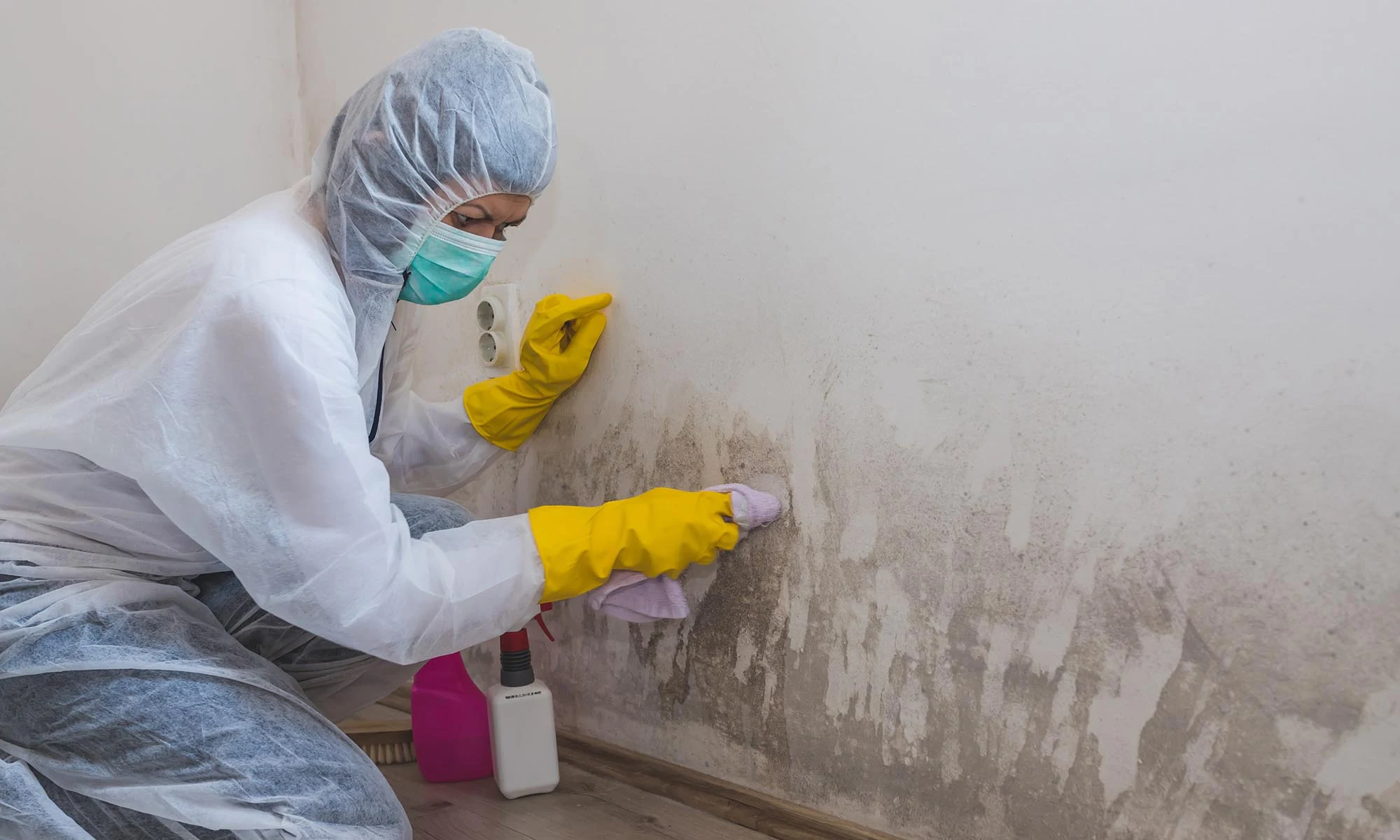
Protective Gear Is Essential
If attempting limited cleanup, minimum protection includes:
- Waterproof gloves.
- Rubber boots.
- Eye protection.
- Respirator or mask rated for biohazards.
Household cleaning gloves and standard masks are not sufficient.
What Should Never Be Salvaged
- Porous materials like carpet, padding, drywall, insulation, and upholstered furniture.
- Paper products and cardboard.
- Items exposed for extended periods.
These materials absorb contamination and cannot be safely disinfected.
How to Clean Up After a Sewer Backup
For very small spills and only after the source is controlled:
Step 1: Ensure Safety First
- Turn Off Power: Shut off electricity to affected areas to avoid shock hazards.
- Wear Protective Gear: Use gloves, boots, goggles, and a mask to protect against bacteria and chemicals.
- Ventilate the Area: Open windows and doors; use fans carefully to avoid spreading contamination.
Step 2: Remove Sewage and Water
- Extract Standing Water: Use a wet/dry vacuum or pump for small backups; call professionals for large ones.
- Discard Contaminated Items: Throw away porous materials like carpets, rugs, and mattresses.
- Clean & Disinfect Surfaces: Scrub all hard, non-porous surfaces with hot water and disinfectant.
Step 3: Dry and Dehumidify
- Dry the Area Quickly: Use fans, air movers, and dehumidifiers to prevent mold growth.
- Check for Hidden Moisture: Inspect walls and floors with a moisture meter and continue drying if needed.
Step 4: Prevent Future Backups
- Inspect Sewer Lines: Schedule regular professional inspections to catch blockages early.
- Install a Backwater Valve: Prevent sewage from flowing back into your home during heavy rain.
- Dispose of Waste Properly: Avoid flushing grease, food scraps, or non-flushable items.
If contamination extends beyond a small area, professional cleanup is strongly recommended.
When to Call Professional Sewer Cleanup Services
Professional restoration teams have the training, equipment, and certifications required to handle sewage safely. You Should Call Professionals If –
- Sewage affects more than one room.
- Water entered HVAC systems.
- Carpets, walls, or flooring are contaminated.
- There is a strong odor that persists.
- The backup occurred due to a major sewer line issue.
Professional services ensure complete decontamination and help prevent mold and long-term structural damage.
How Professionals Handle Sewer Backup Cleanup
Professional sewer cleanup typically includes:
- Hazard assessment and containment.
- Removal of contaminated materials.
- Industrial-grade cleaning and disinfection.
- Moisture detection and drying.
- Odor neutralisation.
- Documentation for insurance claims.
This process ensures the space is safe for occupancy and meets health standards.
Preventing Future Sewer Backups
While not all backups are preventable, these steps can reduce risk:
- Avoid flushing wipes, grease, or hygiene products.
- Schedule regular sewer line inspections.
- Install a backflow prevention valve.
- Maintain sump pumps and drainage systems.
- Address slow drains early.
Preventive maintenance is far less costly than emergency cleanup.
Final Thoughts
Sewer backups are not just messy; they are dangerous. While it may be tempting to handle cleanup alone, improper handling can lead to serious health risks and incomplete restoration.
Knowing when to take immediate safety steps and when to rely on professional sewer cleanup services can protect both your property and the people inside it. If sewage has entered your home or business, prioritising safety and proper remediation is essential.
FAQs
1: Is sewage cleanup covered by insurance?
Coverage depends on your policy and the cause of the backup. Many policies require a sewer backup endorsement.
2: Can bleach fully disinfect sewage-contaminated areas?
Bleach alone is not sufficient for Category 3 contamination and should not replace professional disinfectants.
3: How long does sewer cleanup take?
Cleanup can range from one day to several days depending on the extent of contamination and required material removal.
4: Can I stay in my home during sewer cleanup?
In many cases, it is safer to vacate affected areas until cleanup and drying are complete.
5: Does sewage contamination cause mold?
Yes. Sewage combined with moisture creates ideal conditions for mold growth if not properly dried and disinfected.