A sudden winter chill can sneak up on you. One moment everything’s fine, the next, low water pressure or no water at all, and you suspect a frozen pipe. Frozen plumbing is more than just an inconvenience; expanding ice inside a pipe can crack or burst it, potentially leading to major water damage. But with quick action and a few smart precautions, you can protect your home and avoid costly repairs.
In this guide, we’ll walk you through immediate steps to take if your pipes freeze, how to thaw them safely, and long-term prevention tips to safeguard against future freezes. With insights tailored for cold-weather climates like Idaho, this advice comes straight from experts, and homeowners who’ve learned the hard way.
Why Frozen Pipes Are Dangerous
When water freezes, it expands, and that expansion can build enormous pressure inside a pipe. Even strong metal or PVC piping can crack or split from the force.
Pipes that most often freeze are those:
- In unheated spaces (basements, crawl spaces, attics, garages).
- Running along exterior walls.
- Connected to outdoor faucets, hose bibs, or sprinkler/water-line systems.
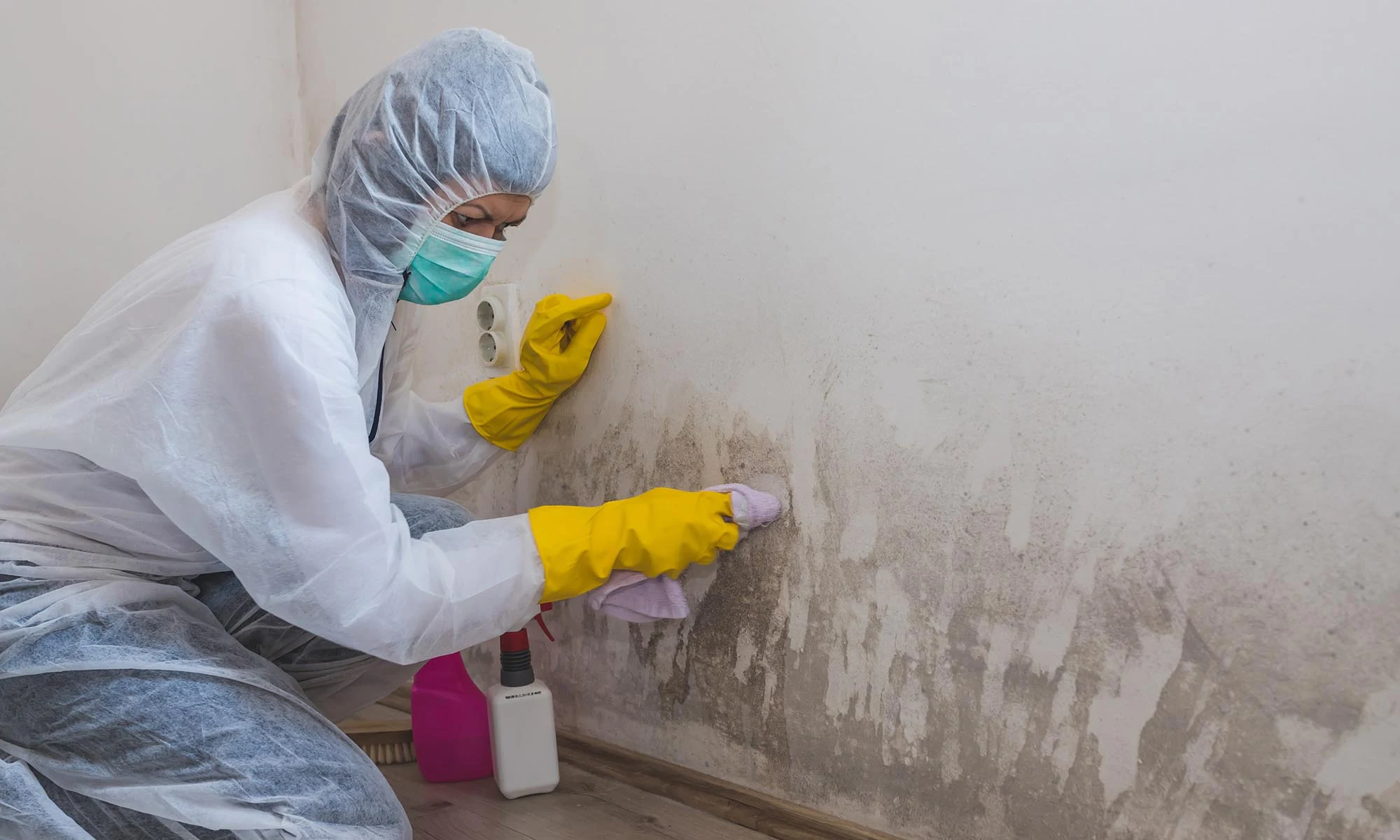
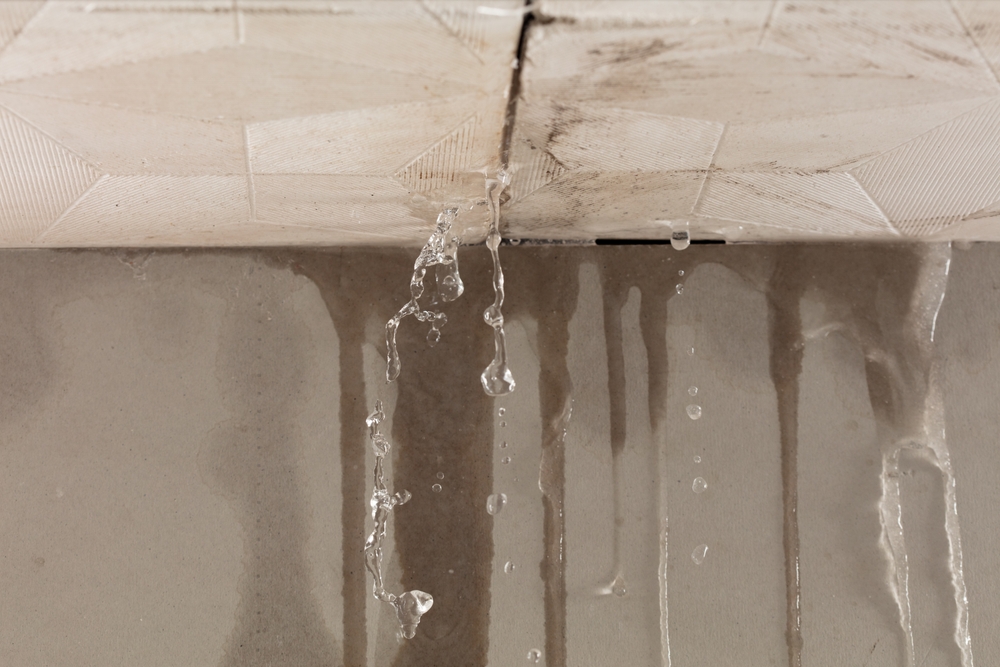
If not addressed quickly, frozen pipes don’t just block water, they can burst once water thaw resumes, flooding your home and causing structural and mold damage.
Immediate Steps to Take If You Think Your Pipes Are Frozen
If you suspect freezing, don’t panic, follow these steps:
- Shut off the main water supply: Locate your main shut-off valve and turn it off to prevent pressure build-up.
- Open all faucets: Turn on cold (and hot) water taps to relieve pressure and provide a path for melting ice to escape once thawing begins.
- Locate the frozen pipe (if possible): Look for pipes in vulnerable zones: basements, crawlspaces, exterior walls, garage areas, under sinks, etc. Frost on the outside is a sign.
- Thaw the pipe safely, without open flames: Use gentle, even heat, wrap a heating pad around the pipe, use a hair dryer on low–medium, moving it slowly along the pipe, use warm (not boiling) towels, replacing them as they cool, use a small electric space heater to warm the surrounding area (keeping it away from flammable material.
- Monitor for leaks or cracks: Once water flows again, inspect carefully. If you see cracks or leaks, even small ones, turn the water off immediately and call a professional plumber.
- If thawing doesn’t work or pipe is inaccessible, call a licensed plumber: Trying to thaw hidden or unreachable pipes can cause damage. A pro may use specialized tools for safe thawing and inspect for structural integrity.
How to Thaw Frozen Pipes? What to Do & What to Avoid
Safe Methods to Thaw Pipes
- Heating pad wrapped around the pipe. Use thermostatically controlled models for safety.
- Hair dryer set on low or medium, keeping airflow moving, do not overheat.
- Warm towels wrapped around the pipe, replaced as they cool.
- Small space heater to warm the surrounding area (keep a safe distance from walls & flammables), only if the pipe is accessible.
What To Never Do
- Do not use propane torches, blow-torches, or any open flame: massive fire hazard and high risk of pipe damage.
- Avoid pouring boiling water directly onto a frozen pipe, rapid temperature change can crack the pipe.
Prevent Future Freezes: Winter-Proof Your Plumbing
Frozen pipes are often avoidable with simple winter-proofing steps. Here’s what every homeowner in cold climates should do:
Insulate Vulnerable Pipes
Use foam pipe sleeves or heat tape, especially for pipes in garages, attics, crawl spaces, or along exterior walls.
Seal Air Leaks & Maintain Warm Air Flow
Seal gaps around windows, doors, dryer vents, and other openings. Keep garage doors closed if plumbing runs through there. Open cabinet doors under sinks to let warm air circulate during cold snaps.
Let Faucets Drip During Cold Spells
Even a slow drip keeps water moving so it’s less likely to freeze.
Disconnect & Drain Outdoor Hoses and Spigots
Remove garden hoses, drain spigot lines, and, if possible, shut off indoor valves feeding outdoor bibs. Leave spigots open for winter.
Keep Thermostat & Heating Consistent
Maintain a steady indoor temperature, avoid dropping too low if pipes run through uninsulated zones. Some experts recommend keeping heat on, even if you’re away, when temperatures drop severely.
Consider Installing Pipe Heating or “Trace Heating” in At-Risk Areas
For homes in very cold regions, electric heat cables or trace heating systems can keep water lines above freezing, especially where insulation alone isn’t enough.
When to Call a Professional, and Why It Matters
Thawing pipes or repairing cracks after freezing isn’t just about convenience, it’s about safety and long-term protection. You should call a licensed plumber if:
- You cannot locate the frozen pipe.
- It’s inside a wall or floor (inaccessible without opening walls/floors).
- The pipe shows signs of cracking or splitting.
- You’re uncertain about doing the job safely.
A professional can safely thaw plumbing, inspect for hidden damage, and ensure your water pressure system and drains are intact, which is especially important to avoid leaks or structural damage after thaw.
Final Thoughts
Frozen pipes are a serious winter hazard, but with quick, calm action and proper preparation, they don’t have to lead to disaster. Shutting off water, safe thawing methods, and proactive insulation and maintenance can spare you the stress, mess, and cost of burst pipes.
If you live in a region with cold winters, like Idaho, take winter-proofing seriously. And if trouble strikes, don’t hesitate to call a professional plumbing or disaster-response team to get you back up and running safely. Stay warm, stay prepared, and protect your home from winter’s coldest surprises.
FAQs
1. How do I know if a pipe is frozen?
If you turn on a faucet and only a trickle of water comes out, or nothing flows at all, that’s a strong sign a pipe is frozen. Often the pipe runs along exterior walls, basements, crawl spaces, or unheated areas.
2. Can I thaw a frozen pipe myself?
Yes, if the pipe is accessible. Use safe, gradual warmth (hair dryer, heating pad, warm towels) and keep the faucet open while thawing. Never use open flames or boiling water.
3. What if the pipe bursts during thawing?
Shut off your main water immediately and call a licensed plumber. Burst pipes can cause major water damage, mold, or even structural issues if not addressed quickly.
4. How can I prevent my pipes from freezing in future winters?
Insulate exposed pipes, seal air leaks, disconnect outdoor hoses, allow faucets to drip during cold snaps, maintain consistent indoor temperatures, and optionally install heat tape or trace-heating systems for at-risk plumbing.
5. When should I call a professional instead of DIYing?
If the frozen pipe is inaccessible (within walls or floors), if thawing attempts have already failed, if you hear cracking, or if you suspect a burst, get professional help. A plumber can safely thaw, inspect, and repair potential damage before leaks worsen.