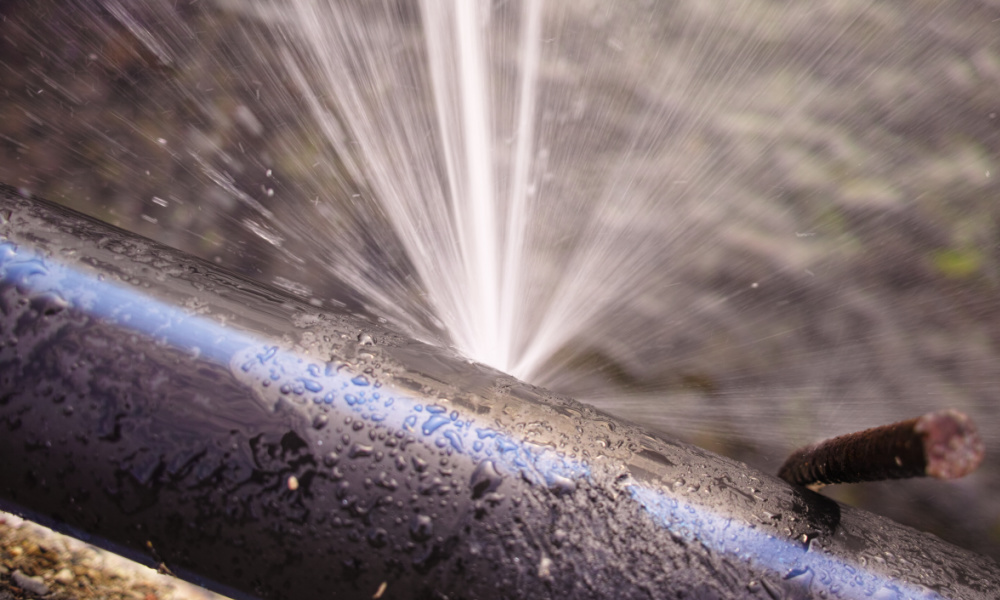
Winter in Idaho brings cold mornings, snow-covered driveways, and, if you’re unprepared, the risk of pipes freezing and bursting. Pipes freeze when water inside turns to ice, expands, and places intense pressure on the pipe wall. When that pressure exceeds what the pipe can withstand, it ruptures, often where insulation is lacking or temperatures are coldest.
A burst pipe can dump hundreds of gallons of water into your home in minutes, leading to structural damage, mold growth, and costly repairs. Knowing exactly what to do before help arrives can limit damage and help you stay safe while you wait for restoration professionals.
Why Winter Pipe Bursts Are So Dangerous
When indoor or outdoor pipes freeze and burst, water can leak into:
- Walls
- Under flooring
- Ceilings
- Insulation and framing
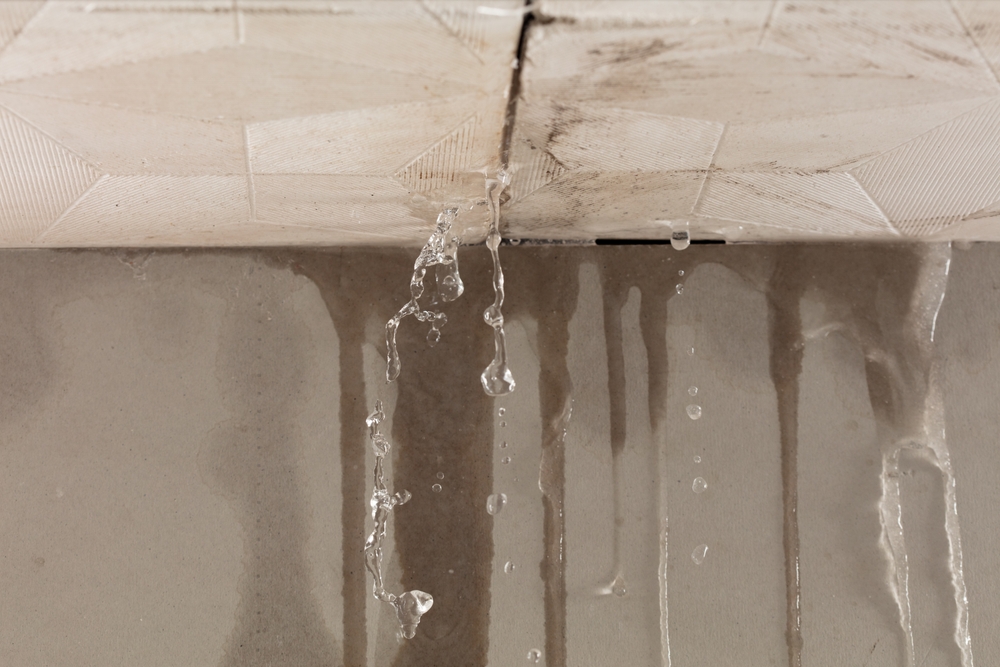
Even if the water isn’t visible at first, moisture can spread behind surfaces and lead to hidden damage. This is one of the reasons burst pipe incidents can lead to mold growth and long-term structural issues if not handled quickly and properly.
First Action: Stop the Water Flow Immediately
The very first thing you should do is shut off the main water supply to your home. This stops additional water from flowing into the damaged line and reduces the volume of water that can cause damage once a pipe ruptures.
Where the shut-off valve is located:
- Near the water meter inside your home
- In basements or utility closets
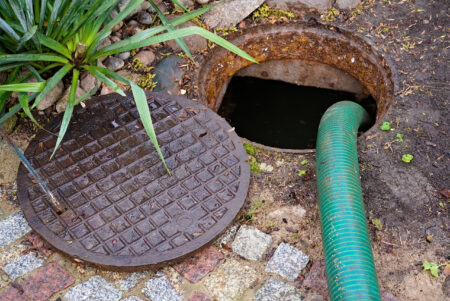
- In a pit by the street or sidewalk
If you don’t already know where your valve is, locate and mark it before winter arrives so you aren’t searching during an emergency.
Check for Electrical Hazards and Safety Risks
After the water supply is cut:
- Turn off electricity to areas affected by water if circuits are close to outlets or appliances.
- Keep family members and pets away from wet areas, especially where water might touch electrical devices.
- Avoid walking through standing water if it might be near electrical systems.
Safety comes first, reducing hazards protects you and your household while you wait for help.
Relieve Pressure and Drain Remaining Water
Once the main supply is shut off:
- Open all faucets to drain remaining water and relieve pressure in your system.
- Flush toilets to empty reservoir tanks.
- This lowers leftover pressure and reduces the risk of additional leaks elsewhere in the system.
Relieving pressure also prepares the plumbing system for a smoother professional repair.
Locate the Burst Pipe Area and Contain Water
Next:
- Identify where water is leaking from, ceiling, wall, floor, cabinet, etc.
- Use towels or rags to contain or absorb water where possible.
- Buckets and pans can catch drips to prevent spreading.
This doesn’t stop the leak but can guard against further damage until help arrives.
Protect Belongings and Salvage What You Can
While waiting:
- Move furniture, rugs, electronics, and valuables away from wet floors and walls.
- If possible, place plastic tarps or thick towels between water and household items.
- Remove items from cabinets and closets near the leak path.
Taking swift action can significantly reduce replacement costs down the line.
Photograph and Document Everything
Before cleanup begins:
- Take photos or videos of the burst area.
- Document leaks, soaked materials, and structural damage.
This information helps with insurance claims and provides a record for professionals during restoration.
Call for Professional Assistance Promptly
Even with immediate action, a burst pipe repair requires professional attention. Licensed plumbers and disaster restoration services bring:
- Professional drying and dehumidification.
- Leak detection and repair.
- Structural drying and mold prevention.
- Damage remediation and reconstruction.
Calling early ensures faster response times and mitigates additional harm.
Monitor During the Wait
While help is on the way, don’t assume the situation is fully contained. Continue to:
- Keep the main water supply off
- Watch for creeping water or hidden drips
- Keep people and pets out of risky areas
This vigilance ensures conditions don’t worsen before technicians arrive.
Prevent Future Pipe Bursts
After resolving the immediate emergency, take steps to reduce the risk of future bursts:
- Insulate exposed pipes in garages, crawl spaces, and basements.
- Keep your thermostat consistent avoid letting temperatures dip below 55°F.
- Let faucets drip during severe cold to keep water moving.
- Open cabinets under sinks to let warm air circulate around plumbing.
- Disconnect and drain outdoor hoses before winter hits.
Proactive steps like these go a long way toward protecting your home. For a more comprehensive look at what to do if your pipes freeze, check out our detailed guide: What Should You Do if Your Pipes Freeze
Safety Checklist You Can Use Now
Here’s a quick emergency checklist to keep handy:
- Turn off the main water supply
- Shut off electricity in affected zones
- Open faucets to relieve pressure
- Protect valuables and furniture
- Capture photos for documentation
- Call professional help immediately
This simple sequence can make a major difference when minutes matter.
Final Thoughts
A winter pipe burst is stressful and disruptive, but it doesn’t have to turn into a catastrophe. Acting quickly and strategically before help arrives can greatly reduce water damage, cost, and long-term repair needs.
Being prepared, knowing where your shut-off valves are, watching for warning signs, and protecting vulnerable plumbing before winter, gives you a clear advantage when temperatures plunge and pipes are at risk of freezing or bursting.
With a calm, proactive response and timely professional support, you can navigate even a burst-pipe emergency with confidence and control.
If you’re facing a plumbing emergency or want help protecting your home before winter hits, Idaho Disaster Pros has trained technicians ready to assist with burst pipes, frozen plumbing, and full restoration services.
Frequently Asked Questions
1. What are the first signs that a pipe is about to burst?
Low or no water pressure, frost on pipes in crawl spaces or exterior walls, and unusual sounds when running water are all early signs.
2. How long does it take for a burst pipe to cause major damage?
Even a small crack can release hundreds of gallons of water in hours. Quick action to shut off the water is essential.
3. Can I safely thaw a frozen pipe myself?
If the pipe is visible and accessible, gradual heat from a hairdryer or space heater can help, but never use open flames. If it’s inside walls or ceilings, call a professional.
4. What should I do if I see water coming through walls or ceilings?
Shut off the water main immediately, then turn off nearby electrical circuits if safe. Contact professional services promptly.
5. Will homeowner’s insurance cover burst pipe damage?
Many policies do, especially if the cause is sudden and accidental, but coverage varies. Document the damage and contact your agent as soon as possible.